

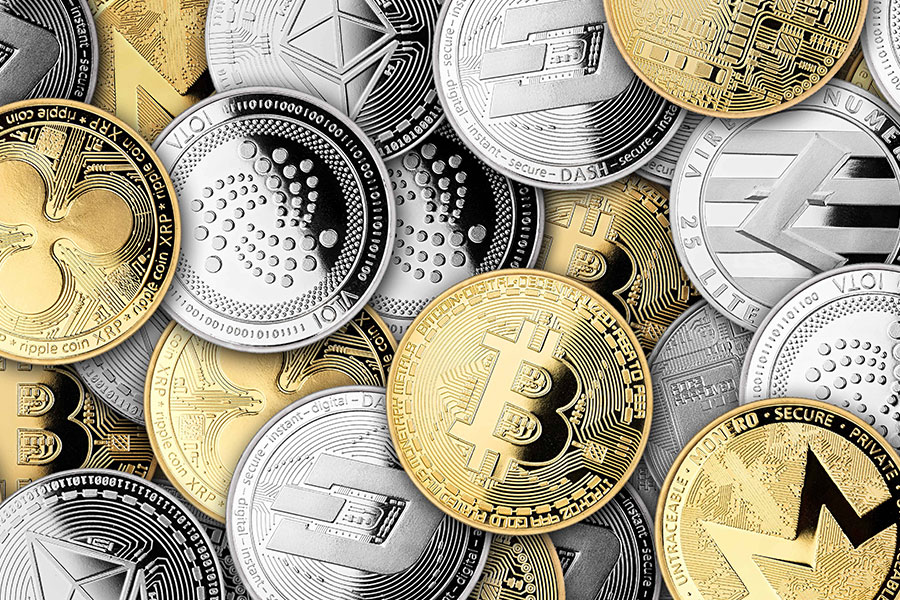
In the field of finance, blockchain has been a one-of-a-kind phrase. It gave rise to cryptocurrencies, which are digital currencies. Bitcoin, the most famous cryptocurrency to date, was founded by the pseudonymous Satoshi Nakamoto in 2009, before many others began to sail the sea of prospects presented by blockchain. Bitcoin began with little to no value and increased in popularity over time. Many would argue that the essentials of blockchain became visible and ready to be harnessed with the introduction of Bitcoin, as it provides decentralization, transparency, the elimination of intermediaries, security, and self-automation through smart contracts. Apart from providing alternatives to the old financial system governed by central authorities, blockchain qualities were fine-tuned, resulting in the emergence of new cryptocurrencies, known as altcoins.
DEFINING ALTCOINS
Alternative cryptocurrencies to Bitcoin are known as altcoins, a combination of the phrases "alt" and "coin." Are you guessing the word "alt" was coined from the word "alternative"? As in, a Bitcoin-alternative. According to CoinMarketCap, there are currently over 9,300 cryptocurrencies other than Bitcoin. These so-called altcoins have a total market valuation of more than $1 trillion in the cryptocurrency market. Altcoins, like Bitcoin, can function as both a currency and an asset. Purchasing them through an internet exchange is the most convenient way to obtain them. According to Dr. Richard Smith, an investing specialist and CEO of the Foundation for the Study of Cycles, there are already more than 350 different exchanges where cryptocurrencies can be traded.
Although the core architecture for altcoins and Bitcoin is similar, several altcoins have not attained the same level of popularity as Bitcoin. Among the trending altcoins of the day are Ethereum, Cardano, XRP, Litecoin, Dogecoin, promoted majorly by Tesla CEO Elon Musk, etc. Bitcoin was intended to be primarily a medium of commerce, but it evolved into digital money for investment as it gained support. Altcoins provided alternative explorations to the blockchain, commonly referred to as use cases. For example, Ethereum, the second-largest cryptocurrency by market capitalization behind Bitcoin, was designed as a decentralized computing platform rather than a digital currency. The popular Dogecoin began as a joke based on a Shibu Inu "doge" meme but is now used as a social media tipping system.
ARE ALTCOINS WORTH THE RISKS?
To reach a conclusive end on whether altcoins are worth the risk of investing or trading as you buy USDT or any other cryptocurrencies, it's more like taking a dimensional difference between Bitcoin and other cryptocurrencies like Ethereum, Cardano, Dogecoin, Algorand, Shiba Inu, Litecoin, etc. So far, Bitcoin has been the most popular cryptocurrency in the cryptocurrency market, with the most trading volume. The Bitcoin market capitalization accounts for a larger portion of the total cryptocurrency market capitalization. On average, Bitcoin has a market share of more than 40%. So are Altcoins worth the risks? Let's have a look at some quick checks below:
ALTCOINS AS INVESTMENT DIVERSIFICATION
An investing expert and CEO of the Foundation for the Study of Cycles, Dr. Richard Smith, says that "altcoins can also be a source of diversification for more traditional portfolios, but this diversification must be handled with great care." While Bitcoin price appears to be stationary or not delivering as promised with established time-frames, to invest in cryptocurrency, namely altcoins, may be the greatest decision, especially when they are performing well at the time.
MULTIPLE OPPORTUNITIES ARE CREATED BY ALTCOINS.
There are numerous altcoins in circulation, and the use cases that altcoins bring to the table make them more explorable than Bitcoin and provide more possibilities. As a result, an investor may make a more informed decision based on returns, acceptability, and other competitive advantages.
INVESTMENT PATH FOR THE FUTURE
Altcoins were designed to address Bitcoin's flaws and to establish a new blockchain hall of fame. They are more sophisticated in terms of technology because they emerged after Bitcoin. Many cryptocurrencies outperform Bitcoin in terms of transaction speeds. As the idea of engineering of cryptocurrencies aligns with the reality of the world, this predicts a future of possible divergence of more capitalization into them. Many cryptocurrency use cases have recently tended to solve real-world problems, predicting altcoins' popularity similar to Bitcoin.
CONCLUSION
To invest in or trade cryptocurrencies, such as Bitcoin and Altcoins, consult tips to stay safe and limit losses as the cryptocurrency market continues to be turbulent. So, before deciding whether to invest or trade, think about all of the factors.