
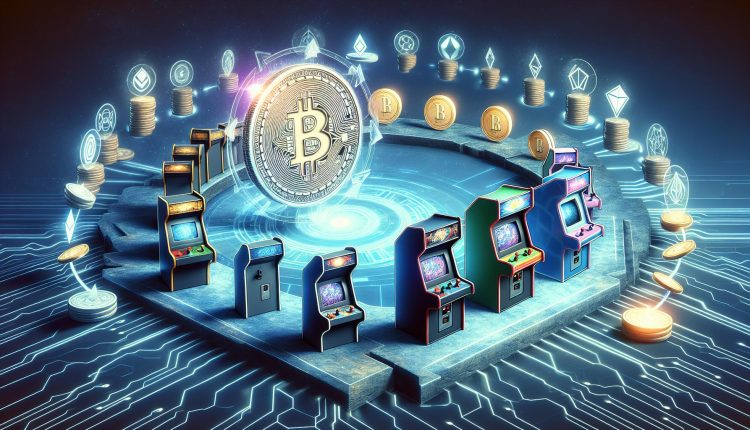
Unlock the Fun: The Evolution from Coin-Operated to Token-Operated Gaming Machines
Understanding Twitch’s Security Breach in 2021
In 2021, a significant security breach occurred at Twitch, the renowned streaming service, when an unidentified intruder gained unauthorized entry into the company’s servers. This breach compromised the platform’s source code along with financial reports of numerous streamers. Such breaches underline the ongoing digital security challenges faced by major platforms, emphasizing the susceptibility of communities depending on live interaction and content sharing. This event not only exposed the vulnerabilities concerning user data protection and financial details but also deeply undermined trust within the gaming and streaming communities.
The Imperative for a Tokenized and Decentralized Future
In response to such vulnerabilities, there is a compelling need to shift towards a security framework that prioritizes end-user sovereignty and data protection. The future of online ecosystems, especially in content streaming and gaming, likely lies in decentralized and tokenized structures. This approach would ensure a more user-centric environment where trust and data ownership are paramount.
Addressing Security Issues in the Online Gaming Sphere
The gaming industry needs a revamp to move towards more secure and user-focused practices. Historically, the control over games has predominantly rested with the developers and platform owners, sometimes to the detriment of the game communities. Furthermore, the problem is exacerbated by issues such as non-transferability of in-game achievements and the proliferation of automated bot interactions, which pose trust and management challenges within growing gaming communities.
The Rise of On-Chain Gaming Communities
Emerging on-chain, decentralized, and permission-less gaming models promise a shift towards enhancing user privacy and security. These models rely on encrypted communication protocols that empower participants to own and govern their community-driven digital spaces. Moreover, adopting community-based governance structures in gaming can allow players to have a direct role in shaping the rules, security measures, and privacy policies, enhancing the sense of ownership and accountability.

A New Paradigm in Gaming: Security and Community First
Secure, on-chain platforms introduce advanced security frameworks such as end-to-end encryption that prioritize community safety and reputation management. Innovative community-driven models offer transparent mechanisms that reward players and acknowledge their contributions, setting new benchmarks for community interaction and safety in gaming environments.
Decentralizing Game Dynamics for Enhanced Community Engagement
Advancements in blockchain technology should encourage games to operate as decentralized protocols managed by communities rather than centralized entities. This structure would facilitate fair pricing for player contributions and in-game assets. Further, fostering permissionless game dynamics can help game developers establish vibrant communities that are self-regulated and operate on trust verified by blockchain records.
Embracing the Trade of Game Assets
Innovative approaches to asset interoperability, such as trading earned in-game items, could revolutionize the gaming industry similarly to how ride-sharing transformed personal transport. By allowing players to trade items on blockchain platforms, the value retained by gamers can be significantly enhanced, adding a new layer of excitement and opportunity to gaming.
Conclusion: The Need for Innovative Security in Gaming
As we look towards the future of gaming, continuous innovation and collaborative industry efforts will be vital to develop secure, engaging, and community-centric gaming experiences. The shift towards blockchain and on-chain methodologies does not just promise enhanced security and privacy but also heralds a new era of gamer empowerment and community-led gaming environments.