
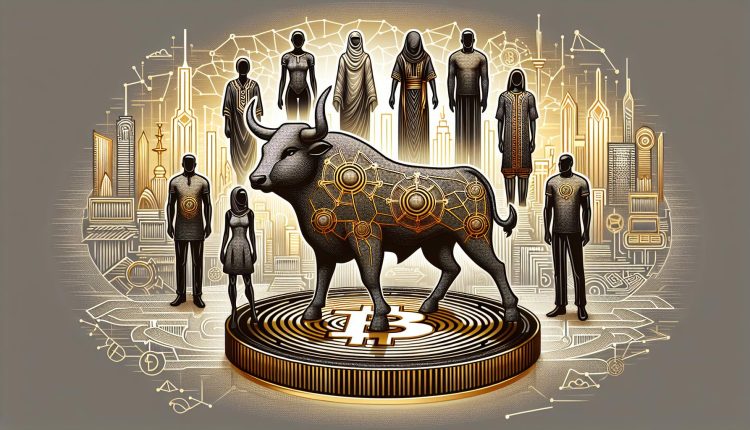
Preparing for Prosperity: What Crypto Must Do Before the Next Bull Market Surges
Navigating Through Market Volatility: A gateway to Unprecedented Opportunities
The Silver Lining in Economic Fluctuations
as of March 28, 2026, the business landscape is experiencing a phase of important volatility. however, this period is not just about challenges; it’s also ripe with significant opportunities for those ready to navigate through thes turbulent times.
Understanding the Impact and Potential of Current Market Conditions
Market volatility often conjures images of unpredictability and risk, which can be intimidating. Yet, it’s precisely during these fluctuating periods that the greatest opportunities for growth and innovation are created. Businesses that adapt swiftly and strategically are likely to emerge stronger.
In-depth analysis reveals that economic instability can lead to a redistribution of market shares as companies adjust differently to the changes. This scenario opens doors for agile businesses to introduce new products or services, enter new markets, or enhance their operational efficiencies.
Moreover, current statistics indicate a trend where companies investing in technology and sustainability during volatile periods tend to outperform their peers once stability resumes. As an example, advancements in AI and renewable energy sectors have seen significant capital inflow despite broader economic downturns.
Strategic Moves During Uncertain Times
During volatile periods, strategic planning becomes more crucial than ever. Companies must reassess their risk management strategies—diversifying investments rather than concentrating them in areas susceptible to market fluctuations.
Additionally, engaging with consumers on digital platforms has proven essential. An increased online presence meets customers where they spend more time while providing businesses with valuable data to drive decisions during uncertain times.
Moreover, leadership during such phases shoudl focus on transparency and interaction within their organizations. Keeping teams informed about strategic shifts helps maintain morale and aligns everyone towards common objectives amidst uncertainty.
Conclusion: Embracing Change as an Opportunity
while market volatility may seem daunting at first glance—it holds potential for substantial growth and innovation within industries ready to adapt strategically. By leveraging technology advancements like AI or sustainable solutions—and maintaining robust communication channels—businesses can turn current challenges into viable opportunities for expansion and success.
Exploring the Dynamics of SVG in modern Web Design
SVG,or Scalable Vector graphics,has become an indispensable tool in modern web design due to its flexibility and scalability. This vector format allows for designs that are both responsive and high-quality,making it a preferred choice for icons,logos,and complex illustrations across digital platforms.
The versatility of SVG Icons
SVG icons are celebrated for their adaptability across different screen sizes without losing clarity. This feature is notably crucial in today’s multi-device world where users access content via a myriad of devices including smartphones, tablets, and desktop computers.As an example, consider an icon that represents user interaction within a web application; SVG ensures this icon maintains its precision whether it’s displayed on a small mobile device or expanded on a large monitor.
Enhanced User Experience with Responsive Graphics
The responsiveness of SVG goes beyond mere scaling. It can be dynamically manipulated with CSS and JavaScript which means colors, shapes, positions, and even animations can be adjusted seamlessly.This capability enhances user experience significantly as graphics become more interactive without requiring page reloads or additional downloads.
For example, an e-commerce site might use SVG for dynamic cart icons where items added to the cart reflect changes instantly through subtle animations or color shifts—improving visual feedback for shoppers.
SEO Benefits Tied to Efficient Performance
From an SEO perspective, the use of SVG can contribute positively towards website performance metrics such as speed and efficiency—key factors in search engine ranking algorithms. Unlike traditional image formats like JPEG or PNG which may increase page load times due to larger file sizes especially when high-resolution images are used; SVG files are typically smaller and faster to load.
Moreover, since they can be indexed by search engines directly if properly implemented with descriptive titles and attributes (like ’alt’ text), they enhance content accessibility while also contributing to better organic search visibility.
Future-Proofing Your Website with Scalable Graphics
Investing in SVG not only meets current demands but also prepares your website for future technological advancements. As display technologies evolve towards higher resolutions screens like 4K—and perhaps beyond—SVG will continue providing sharp visuals without needing redesigns or upgrades often required by fixed-size images.
In summary: Incorporating scalable vector graphics into your web design strategy isn’t just about aesthetics—it’s about creating efficient,
interactive experiences that perform well across all devices while also being optimized for future growth.
Navigating the Turbulent Waters of Bitcoin’s Market Dynamics

As we delve into the first quarter of 2026, Bitcoin has experienced a significant downturn, plummeting to a $60,000 threshold from its October 2025 peak of $127,000. This sharp decline may seem alarming at first glance; though, it is indeed part of a necessary adjustment phase that paves the way for future stability and growth in the cryptocurrency market.
Cryptocurrencies frequently enough face severe sell-offs when influenced by broader economic factors such as geopolitical unrest and downturns in traditional markets. Currently, several critical factors are exerting substantial pressure on cryptocurrency markets including increased counterparty risks, tightening global liquidity conditions, declining trends in technical analysis indicators, reduced inflows from ETFs (Exchange-Traded Funds), and widespread tension across credit and banking sectors.
These fluctuations are not unusual but rather indicative of typical cyclical behaviors within digital asset markets—signaling potential opportunities for astute observers.
The Impact of Global Liquidity on Cryptocurrency Valuations
The primary driver behind cryptocurrency valuations remains global liquidity conditions. Expansionary periods generally see a rise in digital asset prices whereas contraction periods tend to trigger declines. Presently, various elements are contributing to liquidity withdrawal from the market: The Federal Reserve is scaling back its balance sheet significantly; seasonal tax obligations are siphoning off funds from treasury systems; an influx of tech IPOs (Initial Public offerings) is capturing capital that might or else be invested in riskier assets; moreover, strengthening U.S. dollar and stringent financial conditions worldwide further strain speculative investments.
Despite appearing detached from fundamental values at times due to these shifts in liquidity conditions, such price adjustments are crucial for setting up subsequent phases of market expansion.
Understanding the Phases of Market Reset
Market cycles rarely progress linearly—2026 appears poised to follow this trend with a series of resets rather than an immediate rebound. Initially marked by retesting lows amid intense selling pressures due to unwinding leverage and speculative positions early in the year followed by potential stabilization mid-year as opportunistic investors start engaging with the market again—a pattern known as multi-step reset cycle.
Volatility will likely continue with possible corrections later within the year as macroeconomic variables evolve and investors recalibrate their risk assessments. However familiar these patterns appear across previous crypto cycles—the timing may vary but rhythmically they echo past trends.
Long-Term Prospects Remain Promising Despite Short-term Volatility
Short-term disturbances do not necessarily compromise long-term prospects for Bitcoin or other digital assets. Several factors bolster this optimistic outlook:
- Structural Demand Growth: Compared to earlier cycles institutional engagement has deepened significantly alongside more robust infrastructure developments enhancing overall market accessibility.
- Evolving Macroeconomic Conditions: Although current liquidity constraints may persist temporarily if inflation rates continue moderating there could be monetary easing later which historically benefits risk assets.
- Political & Financial Climate: Upcoming election cycles typically align with more favorable economic policies while stabilization within credit markets could mitigate systemic risks enhancing overall financial stability.
These elements collectively suggest that despite ongoing volatility pathways leading towards recovery remain intact potentially propelling Bitcoin towards or even beyond $100k mark by late 2026 provided liquidity conditions improve though downside risks should not be overlooked given possible intensification macro stresses which have traditionally led longer-term upward trends after initial drawdowns occur.
Strategic Positioning Amidst Market Cycles
For investors navigating through these turbulent times requires strategic positioning tailored specific phases reset cycle starting cautious approach early year when tightening persists transitioning gradually increased exposure progresses stabilizing before potentially adopting aggressive stance final quarters anticipating rally phase ensues between transitions dislocations present opportunities selective investments distressed assets special situations mispriced securities spanning across blockchain equities corporate credits favor active strategies capable maneuvering different asset classes opposed merely passive exposures single segment key lies timing adjustments based prevailing rather chasing momentum post-turnaround scenarios ensuring optimal returns amidst fluctuating landscapes
Navigating the Waters of Change: The Financial Landscape in 2026
A Year of Strategic Transition, Not Extremes
As we look ahead to 2026, it’s shaping up to be a pivotal year—not marked by extreme highs or lows but as a period of significant transition.Financial markets are known for their cycles of expansion and contraction, frequently enough starting with the expulsion of weaker elements. This purge, while harsh, is crucial as it reduces excessive speculation and leverage, setting the stage for future growth. Although this phase can be unsettling when experienced live,it is essential for paving the way towards new opportunities.
Volatility should not be dismissed as mere market noise; rather, it’s a fundamental mechanism that fosters new prospects. The upcoming year will also be characterized by its volatility due to tightening liquidity conditions. Though, those investors who strategically position themselves early in this cycle—rather than those reacting too late—will likely emerge on top.
Cryptocurrency markets exemplify this non-linear progression distinctly. The same dynamics that trigger sharp downturns also build the foundation for robust upswings. The ongoing reset may very well catalyze the commencement of another prosperous cycle.
The evolving Role of Stablecoins in North America
As we delve deeper into stablecoins’ role within modern financial infrastructure, North America is taking a lead role in shaping its evolution and adoption. Currently entering what can be described as an institutionalization phase, stablecoins are becoming integral components of financial systems where transparency and regulatory compliance are paramount.
Regulated stablecoin issuers such as USDC and RLUSD have seen remarkable growth with RLUSD hitting over $1 billion in market capitalization within just its first year—a testament to their increasing acceptance and trust among institutions. This shift underscores North America’s proactive stance on creating supportive regulatory environments that facilitate broader institutional engagement with these digital assets.
Conclusion
The landscape of 2026 presents both challenges and opportunities—with strategic positioning being key to navigating this transitional period effectively. As stablecoins continue to integrate into global financial infrastructures under stringent regulations, they represent a significant area where informed stakeholders can gain an edge.