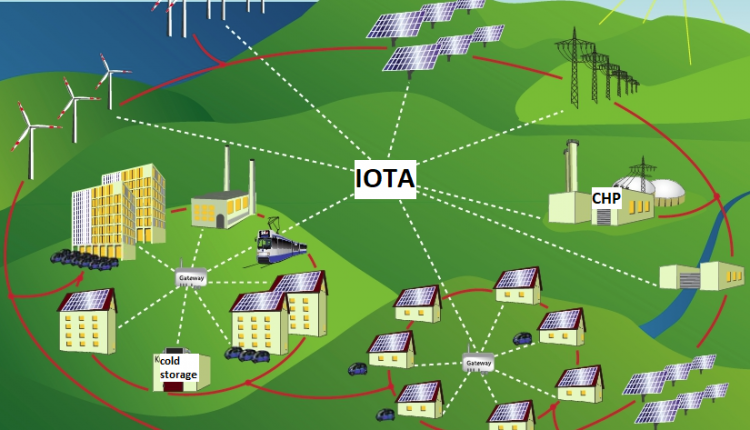
IOTA: Allrounder in the energy transition
The Paris Agreement on Climate Change, which came into force in November 2016, is essentially an agreement for the transformation of the global energy system. A complete transformation of the energy sector, which accounts for much of the global greenhouse gas emissions, is essential to achieve the agreed goals. Almost all the states of the world have committed themselves to the goals. In 2014, around 80% of the world’s primary energy was generated from fossil fuels (oil, coal, gas). In the future, global energy will be provided less on the basis of coal and oil.

Economic Perspective: Use of IOTA in the energy transition
There is also a turnaround in capital, meaning that capital flows are moving away from fossil fuels to regenerative energies. Linked to this is a decentralization of the entire energy landscape. Many of the large power plants will probably have more or less only a backup function in the future. Countless small wind and photovoltaic systems will provide the required power more and more, but they need to work together optimally and share their data with each other. This will make the energy transition the largest IT project of all time and will only be successful in combination with digitization.